

In an evolving health landscape, emerging research continues to highlight concerns that could impact everyday wellbeing. Here’s the key update you should know about:
A new analysis uncovers what really separates bread myths from evidence, revealing how both white and wholegrain loaves can support health when understood in context.
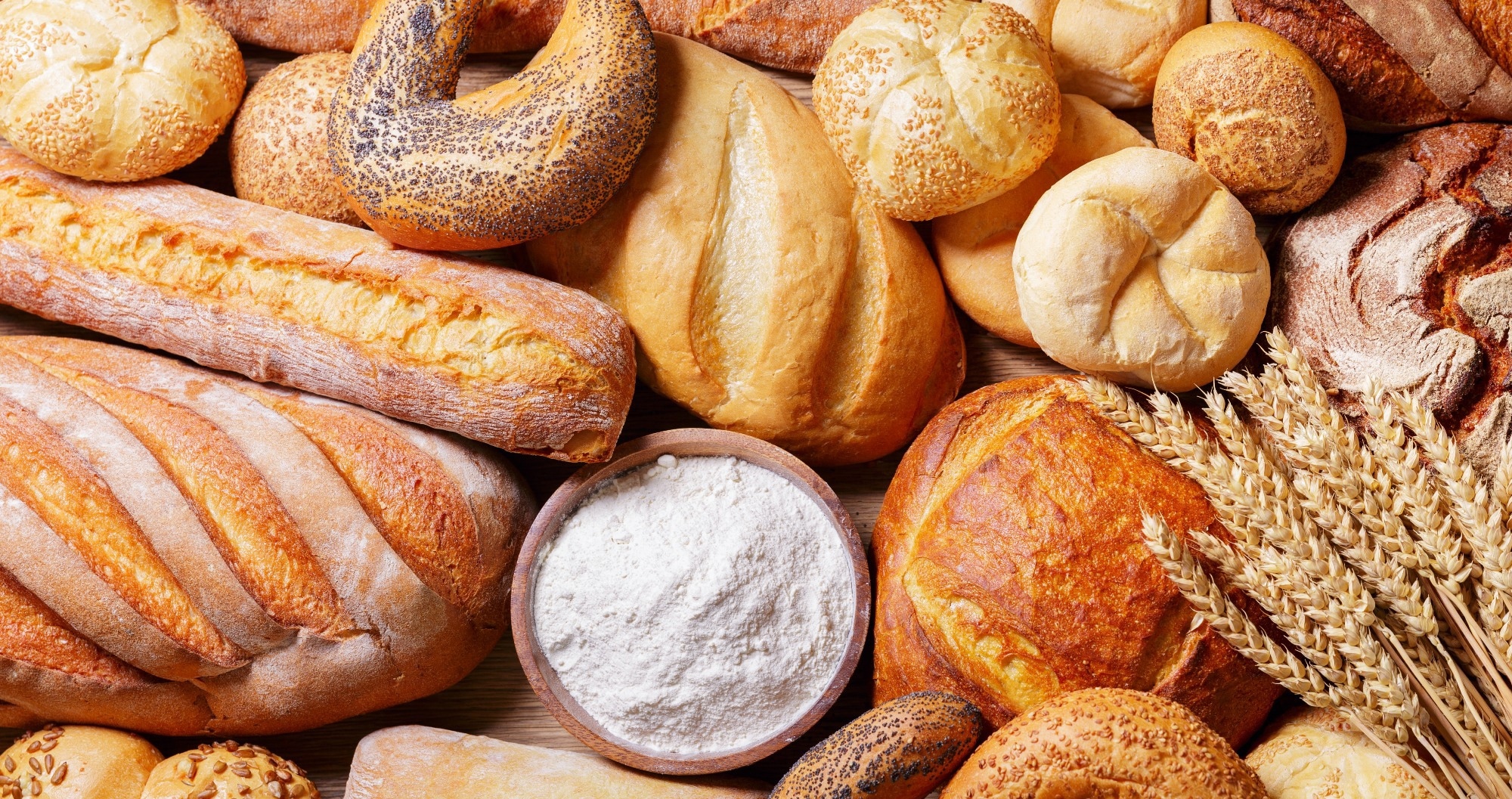
Study: Separating Myths From Facts About Bread and Health. Image Credit: Nitr / Shutterstock
A recent study published in the journal Nutrition Bulletin focused on debunking the myths linked with white bread.
Global Shifts in Wheat Consumption
The rise in global wheat demand in 2025 is driven mainly by low- and middle-income countries in Asia and Africa undergoing rapid urbanization and industrialization. Most of these nations import wheat, accounting for 25% of global wheat trade.
While global wheat consumption is rising overall, traditional wheat-eating regions like North America and parts of Europe have seen stable or declining intake. For example, bread consumption in the UK fell from 950 g per person per week in 1970 to under 500 g per person per week in 2023.
Research shows that as societies become more prosperous, staple food consumption declines in favor of more varied diets. Reduced wheat consumption also reflects growing concerns about the health impacts of wheat-based foods.
Bread has long been a staple of nutrition and culture worldwide. Changes in crop types and processing methods attract close attention, fueling debates about organic versus conventional production, genetic modification, and traditional versus modern breads.
Critically assessing these issues is vital for offering evidence-based guidance to stakeholders and identifying gaps for future research. The authors note that many persistent bread-related myths stem from fragmented evidence and public misunderstanding, underscoring the need for clear communication.
How Milling Alters Bread Nutrition
Wheat grains are typically milled to separate the starchy endosperm from the nutrient-rich bran and germ (embryo), producing fine white flour. Milling significantly reduces fibre, B vitamins, minerals, and phytochemicals compared to whole grains, since these nutrients are concentrated in the outer layers and the germ.
The endosperm makes up about 83% of the wheat grain. Modern roller mills efficiently extract white flour, while traditional stone milling is less precise. Including more bran in the milling process yields higher-extraction flours, as done historically in the UK with National Flour.
Wholegrain and wholemeal breads can differ in how finely the flour is milled, affecting texture and appearance. Wholegrain products contain the endosperm, germ, and bran in the same proportions as the intact grain, with only minor processing losses. In the UK, wholemeal flour includes the entire edible grain, and wholemeal bread is made from 100% wholemeal flour.
Other breads blend white and wholemeal flours, use additional grains or seeds, or are fortified with fibre. Despite appearances, not all offer significantly higher nutritional value than white bread, so checking nutrition labels is important. Variations in flour composition and proportions make it challenging to interpret health outcome data for different breads.
The paper also highlights that variability in wholegrain product formulations contributes to inconsistent findings across studies.
Health Effects of Bread Varieties
Bread’s impact on health depends on its type, how much is eaten, and what it is eaten with. Regular consumption of whole grain foods can lower the risk of chronic diseases like type 2 diabetes, cardiovascular disease, and colon cancer. These benefits are thought to stem mainly from the fibre and micronutrients in whole grains.
Non-absorbed carbohydrates, fibre, and plant compounds in whole grains are fermented by gut microbes, leading to a healthier gut environment and potentially lowering disease risk.
Previous studies have shown that consumption of wholegrain breads may also help with weight control and promote a healthier gut microbiota. Breads with coarsely milled grains or intact kernels may also slow digestion and absorption, contributing to satiety. Sourdough or breads with coarsely milled grains may be denser, possibly helping reduce how much people consume, thus affecting energy intake.
Phytochemicals in wheat, especially phenolics, may reduce inflammation and improve blood vessel function. This could be the reason why wholemeal wheat bread has been linked to fewer cardiovascular events.
While many believe white bread raises blood sugar faster than wholemeal or wholegrain bread, studies show inconsistent results. Some research suggests little difference, except when wholegrain bread is made with intact kernels, which may lower blood sugar spikes.
Gluten can cause coeliac disease in susceptible people, and other proteins may trigger wheat sensitivities or allergies, though these are rare. Amylase-trypsin inhibitors (ATIs), which are enriched in white flour, have been implicated in non-coeliac wheat sensitivity.
Some worry that white bread may trigger more wheat-related reactions, mainly due to its protein content. In addition to gluten, wheat also contains raffinose, which can worsen irritable bowel syndrome (IBS) symptoms by being fermented in the gut, leading to gas and discomfort. However, fructans are the dominant FODMAP in wheat and are present at higher levels in wholegrain than in white flour. The authors caution that individual tolerance varies widely, and most people can safely consume both white and wholegrain breads.
Reassessing Factory-Produced White Bread
Despite decades of wholegrain promotion, UK production of wholemeal flours has dropped, while Denmark has seen success with national campaigns. White bread remains more popular in some regions, for instance, in the UK, 63% of adults consume white bread.
In general, white bread is chosen for its affordability, convenience, and taste. Even with some nutrient loss, it still provides a notable portion of energy, fibre, and folate in the UK diet, particularly among lower-income groups.
According to the Nova classification, pre-packaged breads are often labeled ultra-processed foods (UPFs), and, in general, high UPF intake is associated with adverse health outcomes. However, Nova has been criticized for oversimplifying food groups and failing to distinguish between different types of UPFs.
Research has shown that health risks depend on overall diet quality and specific ingredients in UPFs. Interestingly, one large study found that ultra-processed breads and cereals were linked to a reduced risk of certain diseases.
The new paper emphasises that UPF status alone does not indicate that factory-produced bread is intrinsically harmful. Instead, the authors stress that bread should be evaluated within the context of dietary patterns rather than solely by its processing category.
Pre-packaged breads also contain additives like soya flour, rapeseed oil, ascorbic acid, emulsifiers, calcium propionate, and enzymes. Most are naturally occurring or derived from natural sources, and all are tested for safety before approval.
Some concerns have been raised about emulsifiers and gut health, but current evidence remains inconclusive, and further research is needed to clarify any population-level effects. Factory-produced breads in the UK are classified as UPFs because they contain additives such as emulsifiers, whereas artisan breads are considered less processed.
Many countries require white bread flour to be fortified with minerals and B vitamins to replace nutrients lost during milling. In the UK, fortification with iron and calcium means white bread provides a significant share of these minerals, especially compared to wholemeal bread.
From 2026, UK millers will be required to add folic acid to white flour to help prevent congenital disabilities. Fortification will greatly increase folate intake from white bread, especially benefiting lower-income groups who rely more on white bread for nutrition. Small-scale millers and wholemeal breads are exempt from this rule.
The authors highlight that fortification policies are a major public health tool and that white bread can meaningfully contribute to nutrient adequacy.
Balanced Conclusions on Bread Health
The current study revealed that, although wholegrain bread offers additional health benefits and should be encouraged, white bread remains a nutritious, affordable staple for many. Improving all types of bread through better ingredients and fortification is a practical way to support public health and ensure nutritional needs are met across different populations.
The authors emphasise that white bread should not be regarded as inherently unhealthy and that further improvement of its nutritional profile can offer equitable health benefits, particularly for lower-income households.
Overall, the study reiterates that balanced messaging and dietary-contextualised advice are essential to dispel misconceptions surrounding bread and health.
